








Empowering entities to achieve sustainable digital transformation
Pioneers DX supports government entities and organizations in building integrated digital ecosystems, strengthening digital governance, managing data, and adopting modern and emerging technologies — driving greater operational efficiency, enhancing the beneficiary experience, improving the quality of digital services, and supporting data-driven decision-making.
Integrated Digital Solutions for Transformation
Digital Transformation
Empowering entities to lead an integrated digital transformation that strengthens governance, innovation, and institutional efficiency.
Digital Transformation Measurement
Enabling entities to meet measurement requirements and elevate the maturity of digital transformation measurement.
Data Management & Governance
Enhancing the institutional value of data through effective governance and management.
AI & Analytics
Leveraging artificial intelligence and advanced analytics to boost efficiency and support decision-making.
Enterprise Architecture
Aligning business, data, applications, and technology to achieve institutional integration.
Project Management (PMO)
Governing projects and initiatives to ensure execution efficiency and impact.
Platforms & Tools That Power Transformation
Integrated technology solutions and platforms that boost efficiency, empower teams, and ensure operational sustainability.
OvalEdge
- Data Quality
- Data Governance
- Data Cataloging
- AI Support
Digital Transformation Measurement Tool
- Maturity Assessment
- Gap Analysis
- Dashboards
- Performance Reports
ARIS
- Process Design
- Enterprise Architecture
- Process Modeling
- Performance Improvement
Strategy, Initiatives, Projects Management & Performance Monitoring System
- Strategic Planning
- Strategy Execution
- Performance Monitoring
- Results Evaluation
An Integrated Methodology From Diagnosis to Impact
Diagnosis & Assessment
Analyzing the current state and identifying gaps and priorities.
Design & Planning
Defining directions and building a clear roadmap.
Implementation & Enablement
Deploying solutions, enabling teams, and achieving integration.
Measurement & Improvement
Measuring impact and continuously improving performance.
Because Digital Transformation Needs a Partner Who Sees the Full Picture
Our Projects
Development of Digital Transformation Strategy and Enterprise Architecture
Execution of the Digital Transformation Plan and Enhancement of Qiyas Maturity Level
Our Clients


Frequently Asked Questions about Digital Consulting
What Is Digital Transformation?
Digital transformation is a relatively new term. It refers to organizational change efforts that aim to:
- Improve an organization’s technology and tools
- Enhance employees’ digital skills
- Adopt new, modern business models
Why Does Digital Transformation Matter?
Today, the entire economy is digital. Businesses are regularly engaged in digital adoption, transformation, and change efforts .Because of this, the entire global economy is digitizing. Digital transformation helps businesses stay competitive in this environment. those that can transform effectively will survive, thrive, and succeed. Companies that are too slow to adapt
will lose their edge in the marketplace.
Which Industries Are Undergoing Digital Transformation?
Digital transformation is affecting every industry, from retail to marketing to healthcare. The impact of digital transformation differs from industry to industry. The scale of that impact depends on factors such as:
- How reliant an industry is on technology
- What type of technology that industry uses – i.e., hardware or software
- The advancements of technology in general, and for that industry specifically
Regardless of the scale of that impact, every company is transforming to some degree.
What Do Digital Transformation Processes Look Like?
A digital transformation project involves a number of steps, such as:
- The digital adoption of new technology, tools, software, and platforms, to maintain or gain a competitive advantage
- IT modernization, from infrastructure to hardware to software
- Implementation of digital-first business strategies
- Refocusing efforts on the customer experience
These disparate efforts follow global trends that prioritize customers and technology. Such trends contrast to “old-fashioned” business models that follow waterfall design approach.
What is data mining?
Data mining is the process of digging through large amounts of data which allows businesses to discover patterns and predict future trends. Also known as ‘knowledge discovery in databases’,
data mining is normally applied under three disciplines:
- Statistics
- Artificial intelligence
- Machine learning algorithms
Advances in computing speeds has allowed businesses to automate this process so that they can step away from manual and time-consuming practices. Businesses such as banks, retailers, insurers and manufactures all use data mining to discover patterns in everything from pricing, economic forecasting, competition and social media, so that they can discover how they are affecting their business models, operations and client relationships.
What is business intelligence?
Business intelligence is a term that covers the analytics, tools and processes which are used to optimize performance and make informed business decisions. Business intelligence is an umbrella term which covers:
- Data visualization
- Reporting
- Data mining
- Performance metrics
- Data preparation
- Statistical analysis
- Descriptive analytics
Business intelligence helps companies take an understanding of mass data so that it can be input into an intelligent enterprise model. This strategic approach allows teams and business leaders to identify useful information which would otherwise be lost in mass data.
What is data integration?
Data integration is the process whereby you take data from different sources and combine it into one single source of truth. Data integration will often take place during the exploratory data analysis phase, where a researcher will include steps such cleansing, ETL mapping, combining data and transformation.
Data integration will often involve a few elements including a network of data sources, a master server and client data. During this process, the researcher will access the master server for data, extract that data and then consolidate it into a single cohesive data set.

Our Latest Blog & News
Government Innovation Hackathon
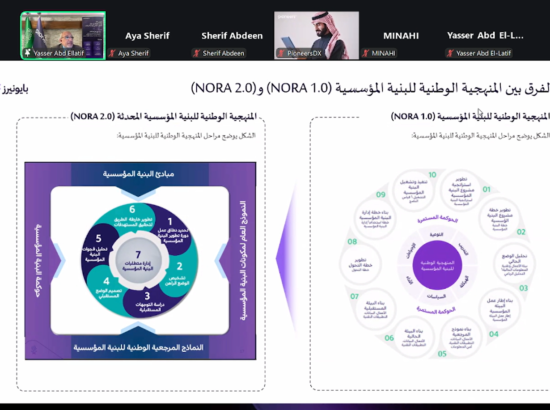
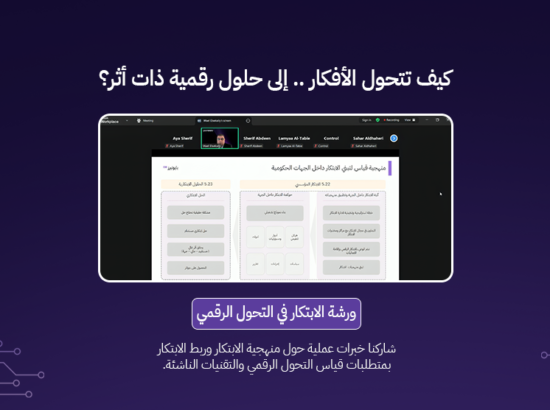
PioneersDX Hosts a Virtual Workshop on Innovation in Digital Transformation
Start Your Journey Toward Sustainable Digital Transformation
We turn challenges into opportunities for growth and practical solutions that deliver lasting impact.
Contact Us